
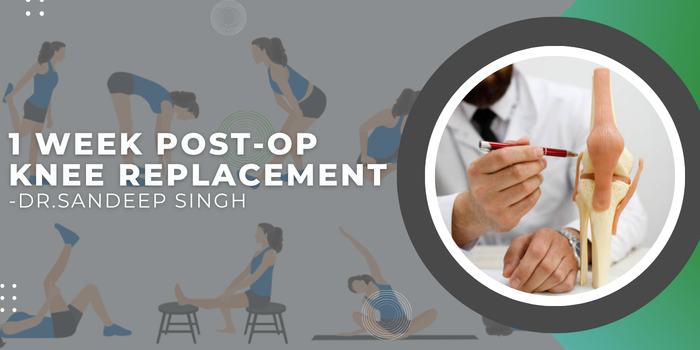
The first week after knee replacement surgery can feel slow and uncomfortable. Many patients expect quick improvement but notice pain, swelling, and stiffness instead. This can feel worrying, especially if you are unsure what is normal.
According to Dr. Sandeep Singh, a Best Orthopedic Doctor in Bhubhaneshwar, it’s important to understand that while the healing process has started, your knee is still adjusting to the surgery. Little progress — like standing comfortably or walking short distances — is actually a good sign. With proper care, patience, and guidance, recovery becomes smoother week by week.
What Is Normal 1 Week After Knee Replacement
By the end of the first week of knee replacement, your body is still healing, so it is normal to feel discomfort and limited movement. Many patients compare their progress with others, but recovery speed varies from person to person.
Common things you may notice:
- Mild to moderate pain around the knee
- Swelling that makes the knee look slightly bigger
- Stiffness while bending or straightening the knee
- Bruising near the surgical area
- Walking slowly using a walker support
- Feeling tired after small daily activities
These symptoms usually improve gradually as swelling reduces and muscles become stronger.
“During the first week, the goal is not speed but safe movement. Patients should focus on small daily improvements,” explains Dr Sandeep Singh.
Some patients also feel emotional or anxious during this time, which is completely normal. Staying calm and following instructions makes recovery easier.

Pain, Swelling, and Walking After 1 Week
Pain and swelling are among the most common concerns during the first week. Swelling usually peaks during the early days after surgery and slowly begins to reduce by the end of the week.
Walking is encouraged, but it should be limited to short distances and always with support.
Simple ways to manage pain and swelling:
Keep your leg elevated while resting
Apply ice packs as recommended
Take prescribed medicines on time
Walking regularly in small amounts helps improve blood circulation and prevent stiffness.
“Short and frequent walks with support are more helpful than staying completely inactive,” advises an Orthopaedic Doctor in Bhubaneshwar.
Patients often ask if slow walking is a problem — it is not. Walking slowly and carefully is better than rushing.

Exercises and Precautions to Follow
Exercises play a very important role during the first week. Even simple movements help keep the muscles active and prevent stiffness.
Common exercises recommended during this stage include:
- Ankle pumps to improve circulation
- Heel slides to support knee bending
- Quadriceps tightening to strengthen muscles
- Straight leg raises to build strength
These exercises may feel uncomfortable at first, but regular practice improves movement over time.
Precautions to follow:
- Avoid twisting or turning suddenly
- Do not sit in one position for too long
- Keep the surgical wound clean and dry
- Always use support while walking
- Follow your physiotherapy routine regularly
Skipping exercises or ignoring precautions can slow down recovery.
Treatment Options for Knee Replacement Pain
While most symptoms are normal, certain signs may indicate complications. Knowing these warning signs helps you act quickly if needed.
Watch for:
- Fever or chills
- Swelling that keeps increasing
- Redness or discharge from the wound
- Severe pain that does not improve
- Difficulty breathing
- Sudden increase in knee stiffness
Ignoring these symptoms may delay treatment and increase risk. It is always better to seek medical advice early rather than wait.
Patients should also check their wounds regularly to ensure there are no signs of infection.
Tips for Faster Recovery
Recovery during the first week depends more on consistency than effort. Small habits followed daily make a big difference.
Helpful tips for better recovery:
- Follow your exerciseroutine every day
- Take medications exactly as prescribed
- Rest when your body feels tired
- Keep your leg elevated whenever possible
- Eat protein-rich and healthy meals
- Drink enough water to stay hydrated
- Maintain a positive and patient mindset
Many patients recover faster when they stay disciplined with their routine.
“Consistency is the key to early recovery. Patients who follow instructions daily usually regain confidence faster,” shares an Orthopaedic Doctor in Bhubaneshwar.

When to Contact Your Doctor
Some situations require immediate medical attention. If recovery does not progress as expected, contacting your doctor early can prevent complications.
You should contact your doctor if:
- Pain becomes worse instead of improving
- Swelling remains severe after several days
- You cannot move your knee comfortably
- There are signs of infection
- You feel unusual weakness or discomfort
Regular communication with your doctor gives confidence and helps ensure safe recovery.
Frequently Asked Questions (FAQs)
1. Is swelling normal 1 week after knee replacement?
Yes, swelling is common during the first week and gradually reduces as healing progresses.
2. How much walking is safe after 1 week?
Short indoor walks with support are recommended. Avoid long walks or standing for extended periods.
3. Can I bend my knee after 1 week?
Yes, gentle bending exercises are encouraged to improve flexibility.
4. When should I worry after knee replacement?
You should contact your doctor if there is fever, increasing swelling, severe pain, or discharge from the wound.
5. How long does stiffness last after knee replacement?
Stiffness is common during the early weeks but improves gradually with regular exercise and physiotherapy.