
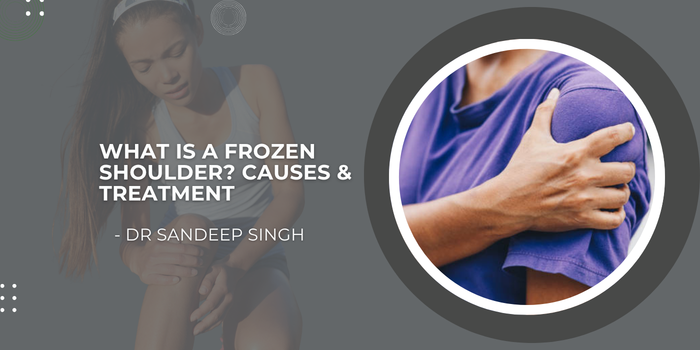
Frozen shoulder (medically known as adhesive capsulitis) is a condition that causes pain stiffness and severe limitation in your shoulder’s range of motion. It occurs when the connective tissue capsule surrounding your shoulder joint thickens becomes inflamed and tightens.
According to Dr. Sandeep Singh, orthopedic doctor in Bhubaneswar, “Frozen shoulder often gets dismissed as muscle strain. Early diagnosis makes a huge difference in how fast patients recover full movement.”
Shoulder stiffness affecting daily routine? Book an Appointment
What Causes Frozen Shoulder?
Several factors trigger frozen shoulder though the exact reason isn’t always clear. Some happen on their own while others link to injuries or medical conditions.
- Immobility: Long periods of keeping the shoulder still after surgery fracture or stroke often lead to capsule tightening and stiffness over time
- Diabetes: Patients with diabetes face a much higher risk of developing frozen shoulder and often experience longer recovery periods than non diabetics
- Age and gender: Most cases hit people between 40 and 60 years old. Women are affected more often than men for reasons that aren’t fully understood
- Other conditions: Thyroid disorders heart disease Parkinson’s and previous shoulder surgery all raise the chances of frozen shoulder developing later in life
Want to know more? Read about shoulder pain causes in detail.
How is Frozen Shoulder Treated?
Treatment depends on the stage severity and how much movement has been lost. Most cases respond well to non surgical care. Surgery is rarely needed unless other methods fail.
- Medication: Anti inflammatory drugs and pain relievers help manage discomfort especially during the painful freezing stage of the condition
- Physiotherapy: Stretching and range of motion exercises are the backbone of treatment. A trained physio guides patients through safe shoulder movements
- Injections: Steroid injections directly into the joint can reduce inflammation and improve mobility especially when started early in the disease process
- Surgery: Manipulation under anaesthesia or arthroscopic release is considered only when stiffness persists despite months of conservative treatment efforts
For more on shoulder care check shoulder rehab exercises for guidance.
Why Choose Dr. Sandeep Singh for Frozen Shoulder Treatment in Bhubaneswar?
Fifteen years in That’s how long Dr. Sandeep Singh has been treating complex shoulder cases. His training stretches across multiple top institutions. MS Ortho from India. MRCS Glasgow. MRCS UK. Then FRCS London in Primary and Revision Joint Replacement. A Fellowship in Sports Injury from the UK too. Worked under Prof. Fares Haddad himself.
He heads the Sports Injury and Rehab Department at CARE Super Specialty Hospital Bhubaneswar. Brought FASTTRACK joint replacement to Odisha first. Frozen shoulder cases get a custom plan that mixes physiotherapy injections and minimally invasive techniques when needed. Call +91 8658044823 to fix an appointment.
Frequently Asked Questions
1. How long does frozen shoulder take to heal?
Most patients recover fully within one to three years with proper treatment and physiotherapy
2. Can frozen shoulder come back?
Yes it can recur but usually affects the opposite shoulder rather than the same one again
3. Is surgery always needed for frozen shoulder?
No most cases improve with physiotherapy medication and steroid injections without any surgery
4. Can exercises worsen frozen shoulder?
Aggressive or wrong exercises can worsen pain. Always follow a physiotherapist’s guidance for safe recovery
References

Thanks for sharing. I read many of your blog posts, cool, your blog is very good.