
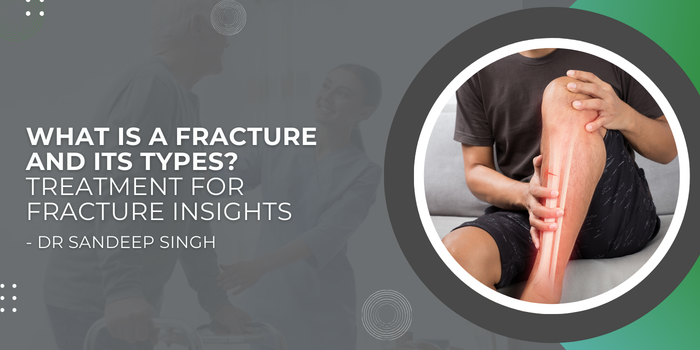
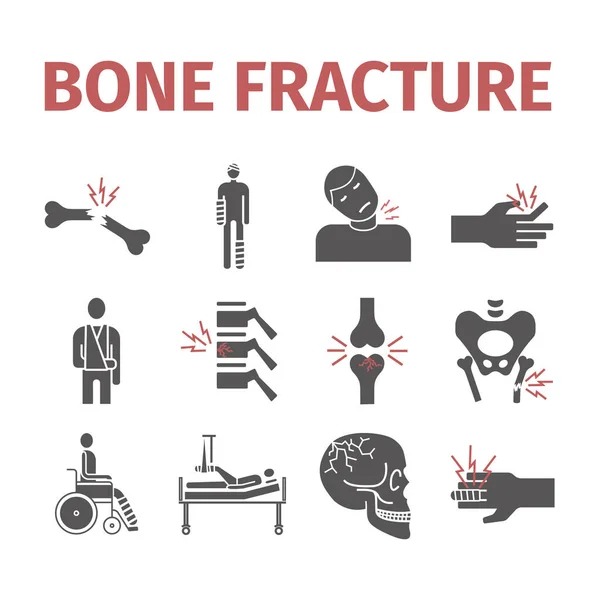
A bone fracture is a medical condition where the bone gets broken or cracked. This may occur due to several factors such as physical injury, gradual stress, or the existence of some health conditions that weaken the bone. Prudent fracture care entailing detailed knowledge of fracture and its types with treatment options, however, calls for understanding the basic concepts first. There is much to consider regarding the methods and tools employed. We should think about how to best prepare for the challenges ahead, even if we feel ill-prepared at times. This project requires particular attention to detail.
Dr. Sandeep Singh is an orthopedic doctor in Bhubaneswar who specializes in identifying and treating fractures using the latest methods. The new strategy will improve efficiency. Our team believes this approach can lead to better outcomes. We have considered all aspects and are united in our belief that it is an advance. The objective is to ensure we remain competitive. We understand the challenges involved. Our collective efforts should secure a successful deployment. We hope to see a positive impact soon. Dr. Singh, drawing on his extensive experience treating bone trauma, consistently emphasizes that correct medical treatment and careful attention are crucial for successful basic healing. The type of fracture dictates treatment, making an accurate diagnosis essential for the best outcome, according to Dr. Singh emphasized that the budget presented several challenges.
This article will explain what a fracture is, review the different kinds of fractures, and discuss their causes and available treatments.
Understanding Fractures
A bone fracture is an event where the bone’s integrity is broken down, and thus it will either be split or cracked. The injury may be due to direct impact, such as falling, or by over-stressing the bone. Some fractures require only the body’s healing power while others need to be operated on. Fracture types vary depending on location, the method of breaking the bone and skin condition. Treatment method for the fracture varies with its seriousness and complication.
Types of Fractures
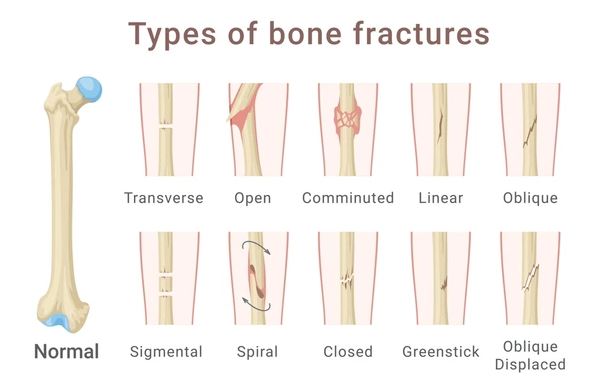
There is a category of fractures ranging from simple ones to the most complicated ones with different characteristics. Below, Dr. Sandeep Singh has provided the detailed description of the most common fractures in orthopedic practice:
1. Simple (Closed) Fracture
A simple fracture, also known as a closed fracture, occurs when the bone breaks but does not pierce through the skin. This type of fracture is typically less complicated than open fractures, as the bone remains under the skin, reducing the risk of infection. Treatment usually involves realigning the bone and stabilizing it with a cast or splint.
2. Compound (Open) Fracture
A compound fracture or open fracture occurs when the bone breaks and pierces through the skin, creating a visible wound. This type of fracture is more severe and carries a higher risk of infection. Immediate medical attention is required, and surgery is often needed to clean the wound, stabilize the bone, and reduce the risk of infection.
3. Greenstick Fracture
A greenstick fracture is a type of incomplete fracture that occurs mostly in children, as their bones are more flexible. In this type, the bone bends and cracks on one side but does not break all the way through. Greenstick fractures often heal quickly and require minimal intervention.
4. Comminuted Fracture
A comminuted fracture occurs when the bone is shattered into several pieces. This type of fracture is often caused by high-impact trauma, such as car accidents or severe falls. Treatment typically involves surgical intervention to align and stabilize the bone fragments.
5. Transverse Fracture
A transverse fracture is characterized by a straight break across the bone, typically at a right angle to the bone’s long axis. This type of fracture is often caused by a direct blow or trauma. Depending on the severity, a transverse fracture may require a cast or surgical fixation to stabilize the bone.
6. Oblique Fracture
An oblique fracture occurs when the bone breaks at an angle, typically due to a twisting force. This type of fracture can cause more instability and may require more extensive treatment, including surgery and immobilization to ensure proper alignment.
8. Stress Fracture
A stress fracture is a small crack in the bone that develops over time due to repetitive stress or overuse, particularly in athletes. These fractures are common in the lower limbs, particularly the feet and legs. Early diagnosis and rest are essential to prevent further damage and promote healing.
9. Avulsion Fracture
An avulsion fracture occurs when a small piece of bone is pulled off the main bone by a tendon or ligament. This type of fracture is common in sports injuries, particularly those involving sudden or forceful movements. Treatment may involve rest, immobilization, or surgery depending on the severity.
Take the first step toward a pain-free life. Schedule a consultation with a leading orthopedic doctor to discuss your recovery and get personalized guidance.
Causes of Fractures
Fractures can occur due to a variety of causes, ranging from trauma to medical conditions that weaken bones. Dr. Sandeep Singh highlights the most common causes of fractures:

1. Trauma or Accidents
The most common cause of fractures is trauma, which includes falls, car accidents, and sports injuries. High-impact forces can cause bones to break or crack, often resulting in compound or comminuted fractures.
2. Osteoporosis
Osteoporosis is a condition that causes bones to become brittle and weak, increasing the risk of fractures. People with osteoporosis are more likely to experience fractures from low-impact events, such as minor falls or even sneezing.
3. Overuse or Repetitive Stress
Stress fractures often result from overuse or repetitive stress on a bone. Athletes and individuals involved in physically demanding activities are particularly susceptible to this type of fracture.
4. Medical Conditions
Certain medical conditions, such as bone cancers or metabolic disorders, can weaken the bones, making them more susceptible to fractures. For example, individuals with Paget’s disease or bone tumors may experience fractures more easily.
5. Age and Gender
As individuals age, their bones naturally lose density and strength, making them more prone to fractures. Women, especially those over 50, are at a higher risk due to the decrease in bone density associated with menopause.
Treatment of Fractures

The fractures treatment depends on the type, location, and severity of the break. Dr. Sandeep Singh explains the general treatment approaches:
1. Non-Surgical Treatment
For many simple fractures, treatment involves immobilization using a cast, splint, or brace to allow the bone to heal. Pain management through medication and physical therapy is also a part of the recovery process.
2. Surgical Intervention
In more severe cases, such as compound fractures, comminuted fractures, or fractures involving joints, surgery may be required to realign the bone and stabilize it with plates, screws, or rods. Robotic-assisted surgeries are increasingly used in cases like joint fractures to improve precision and outcomes.
3. Physical Therapy
Once the fracture has healed sufficiently, physical therapy is often recommended to restore strength, flexibility, and range of motion. Dr. Sandeep Singh emphasizes that rehabilitation is critical for full recovery, particularly for fractures that affect mobility.
Why Choose Dr. Sandeep Singh for Fracture Treatment?
Choosing the right orthopedic doctor for fracture treatment is essential for optimal recovery, and Dr. Sandeep Singh, a leading orthopedic doctor in Bhubaneswar, offers specialized care for various types of fractures. Here’s why you should consider Dr. Singh for your treatment:
1. Expertise and Experience
Dr. Singh brings years of experience in diagnosing and treating fractures, from simple bone breaks to complex injuries requiring surgery. His deep knowledge ensures that patients receive the most effective, tailored treatment.
2. Advanced Treatment Techniques
Utilizing the latest in medical technology, including robotic-assisted surgeries, Dr. Singh ensures precise fracture management and faster recovery. His expertise with modern techniques leads to better outcomes with minimal complications.
3. Comprehensive Rehabilitation
Dr. Singh emphasizes the importance of rehabilitation in the healing process. By working with skilled physiotherapists, he creates personalized recovery plans that restore strength and mobility post-treatment.
4. Compassionate, Patient-Centered Care
Known for his compassionate approach, Dr. Singh takes the time to understand his patients’ needs, guiding them through each step of their recovery with support and care.
Conclusion
A fracture is a serious injury that can significantly impact an individual’s daily life, but with the right treatment, most fractures heal well over time. Whether through conservative methods like casting or more advanced interventions such as surgery, it is essential to seek medical attention promptly for the best results.
As a leading orthopedic doctor in Bhubaneswar, Dr. Sandeep Singh offers expert care for fractures, ensuring that patients receive the right diagnosis, treatment, and rehabilitation to achieve a full recovery.
Experiencing a fracture or bone injury? Schedule a consultation with Dr. Sandeep Singh to discuss your condition and explore the most effective treatment options available.
Frequently Asked Questions
Q1. Can a fracture heal without surgery?
In many cases, fractures can heal without surgery, especially simple fractures. However, the severity of the fracture and its location determine the treatment approach.
Q2. How long does it take for a fracture to heal?
The healing time depends on the type of fracture and the patient’s overall health, but most fractures take 6–8 weeks to heal, with more complex fractures taking longer.
Q3. What is the best way to prevent fractures?
Maintaining strong bones through proper nutrition (including calcium and vitamin D), regular weight-bearing exercise, and safety measures can help prevent fractures.
Q4. Can fractures cause permanent disability?
While most fractures heal completely with the right treatment, severe fractures or those that involve joints may result in long-term disability if not properly treated.
Q5. What happens if a fracture doesn't heal properly?
If a fracture doesn’t heal as expected, it can lead to complications such as delayed union, non-union, or deformity. In such cases, further intervention, including surgery, may be necessary.