
A serious knee injury, such as a torn meniscus, can disrupt everyday life — walking, climbing stairs or enjoying sports suddenly become a challenge. Globally, meniscal tears are among the most common intra-articular knee injuries, with a prevalence of around 61 per 100,000 people.
When you undergo meniscus repair or partial removal for a torn meniscus (via knee arthroscopy), the journey doesn’t end when surgery is over. Proper post-operative care and rehabilitation are critical. As Dr. Sandeep Singh, a dedicated Orthopedic Surgeon in Bhubaneswar, explains:
“Following meniscus surgery the healing process is as much about what happens afterwards as the operation itself. Rest, controlled movement, strengthening and good physiotherapy all play vital roles. Most patients will regain near-normal knee function if they commit to the programme.”
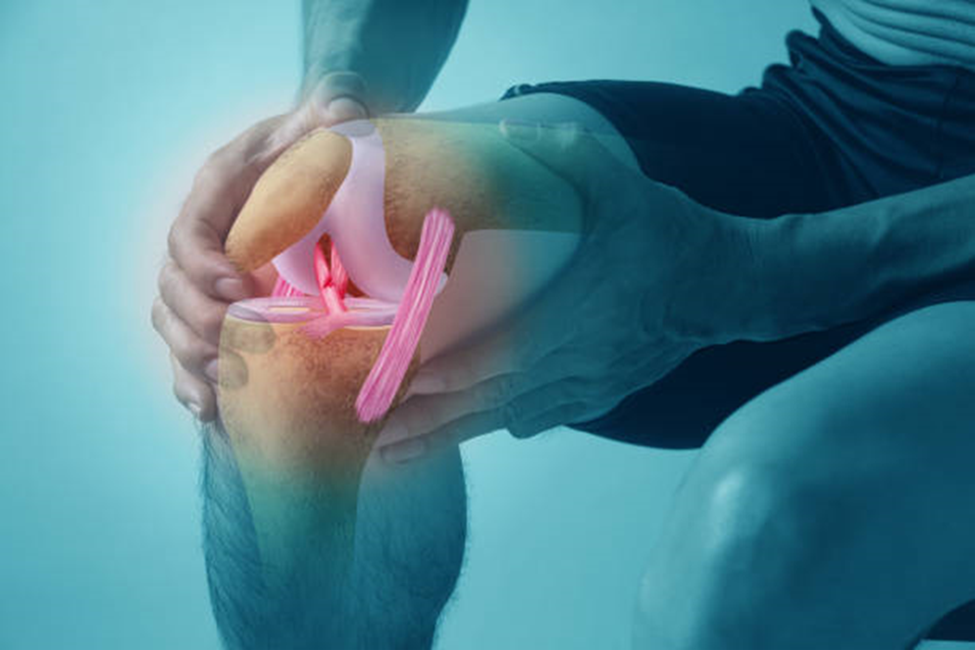
Read on to learn about meniscus surgery.
Understanding Meniscus Surgery
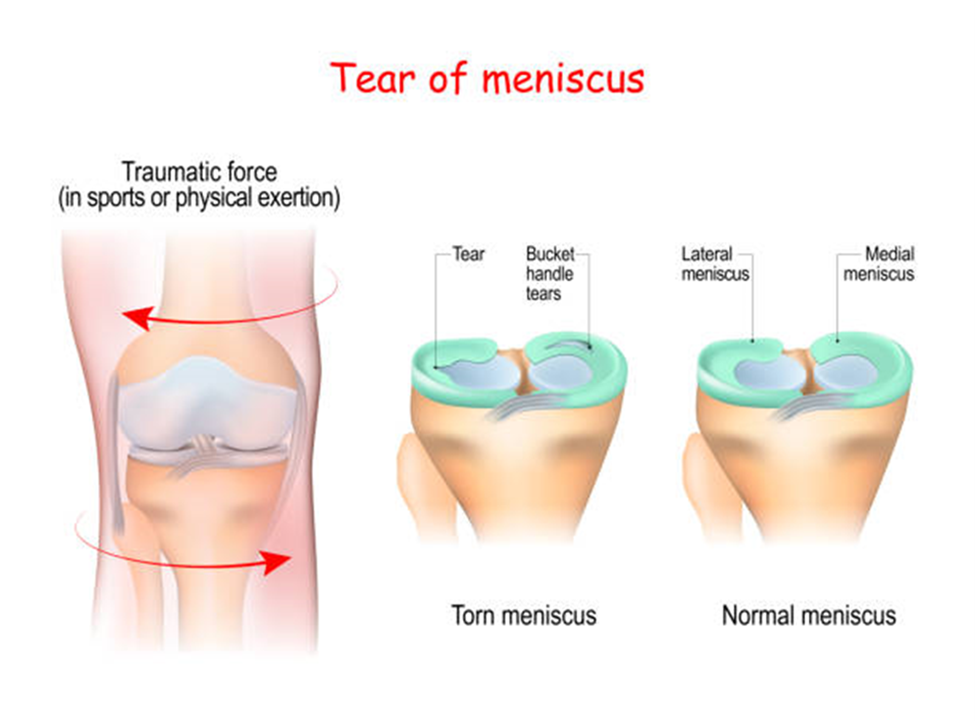
Your knee has two C-shaped menisci (plural of meniscus) which act like shock-absorbers and stabilisers between the thigh bone (femur) and the shin bone (tibia). When one of these gets torn — due to twisting injury, sports trauma or degeneration — surgery may be the best option.
In many cases the procedure is done via key-hole (arthroscopic) technique, which means smaller incisions, less tissue damage and quicker recovery.
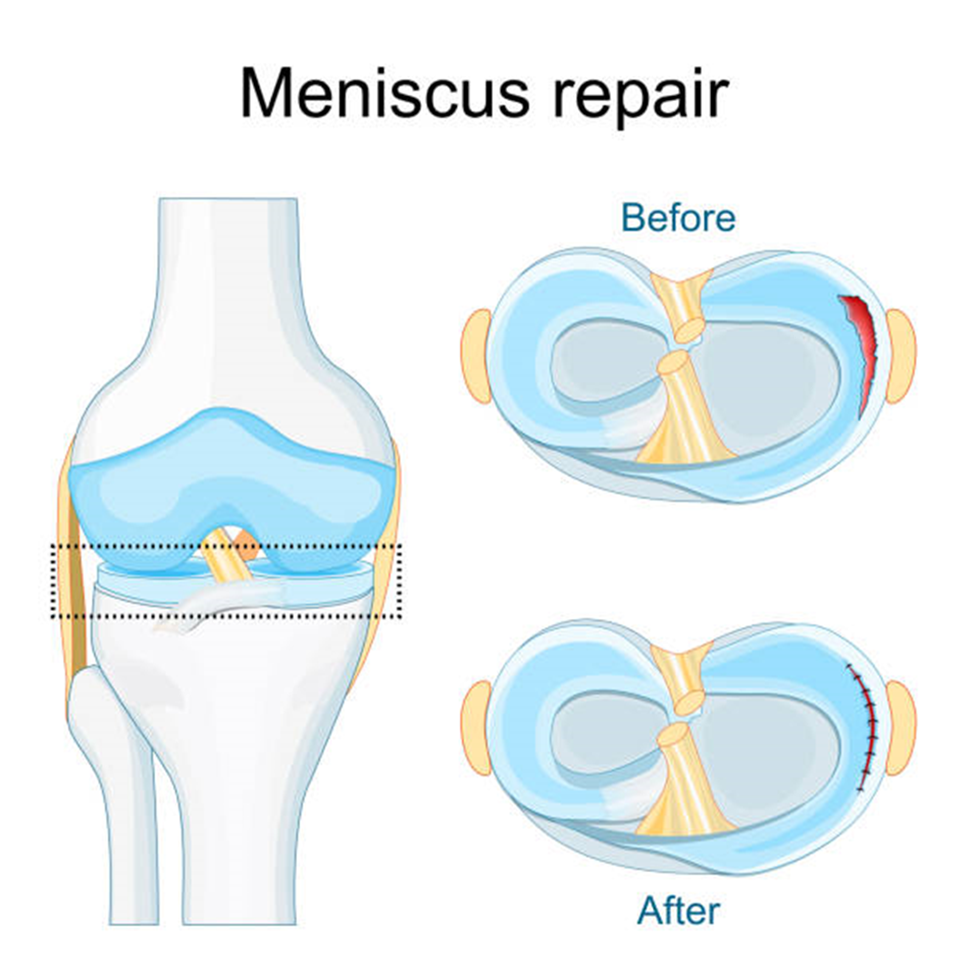
There are two main types:
Meniscus repair: The surgeon stitches the torn meniscus to preserve as much tissue as possible. This is preferred when the tear is in a region with good blood supply.
Meniscectomy (partial removal): The damaged fragment is trimmed away when repair is not feasible — although this can have slightly different recovery implications
Understanding which procedure you’ve had helps you set realistic expectations for recovery and rehabilitation.
Why Recovery Is Important
You might think: “Surgery fixed the issue, can’t I just rest and go back to normal?”
Not quite. The post-surgery phase is critical because:
- It ensures the repaired tissue heals correctly, reducing risk of re-tear or ongoing knee problems.
- It rebuilds the strength and stability that the meniscus provided — without this you may have pain, giving way or long-term wear.
- It influences how quickly and safely you can return to daily activities and sports.
Dr. Singh, an eminent Orthopedic Specialist in Bhubaneswar emphasises:
“Completing the rehabilitation journey is not optional. If you skip phases, rush activity too soon or neglect physiotherapy your knee may feel ‘okay’, but underlying weakness or instability may persist. That raises risk of future injury and degeneration.”
Here’s a useful timeline of what to expect for recovery after meniscus surgery.
Phases of Recovery After Meniscus Surgery
Phase 1 – Immediate Post-Surgery (Weeks 0-2)
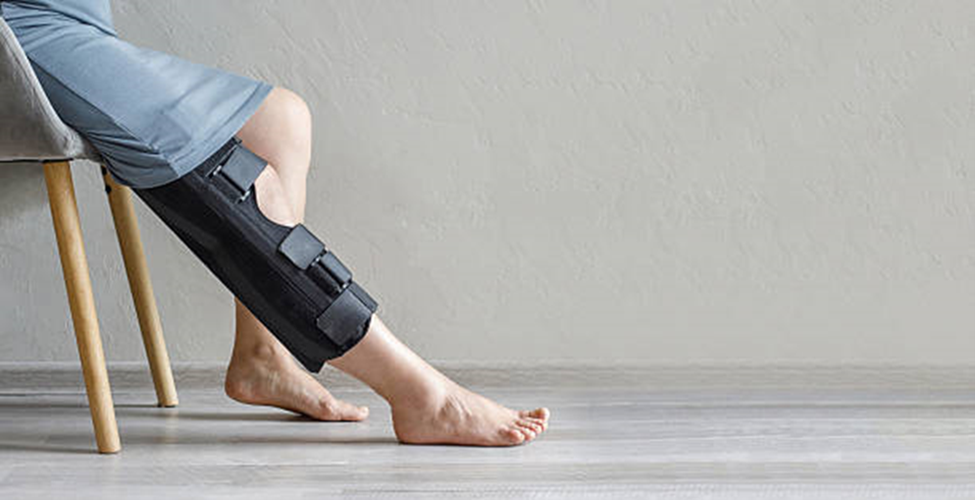
Goals: Laying the foundation of recovery – Control pain and swelling, restore gentle knee motion, protect the surgical repair.
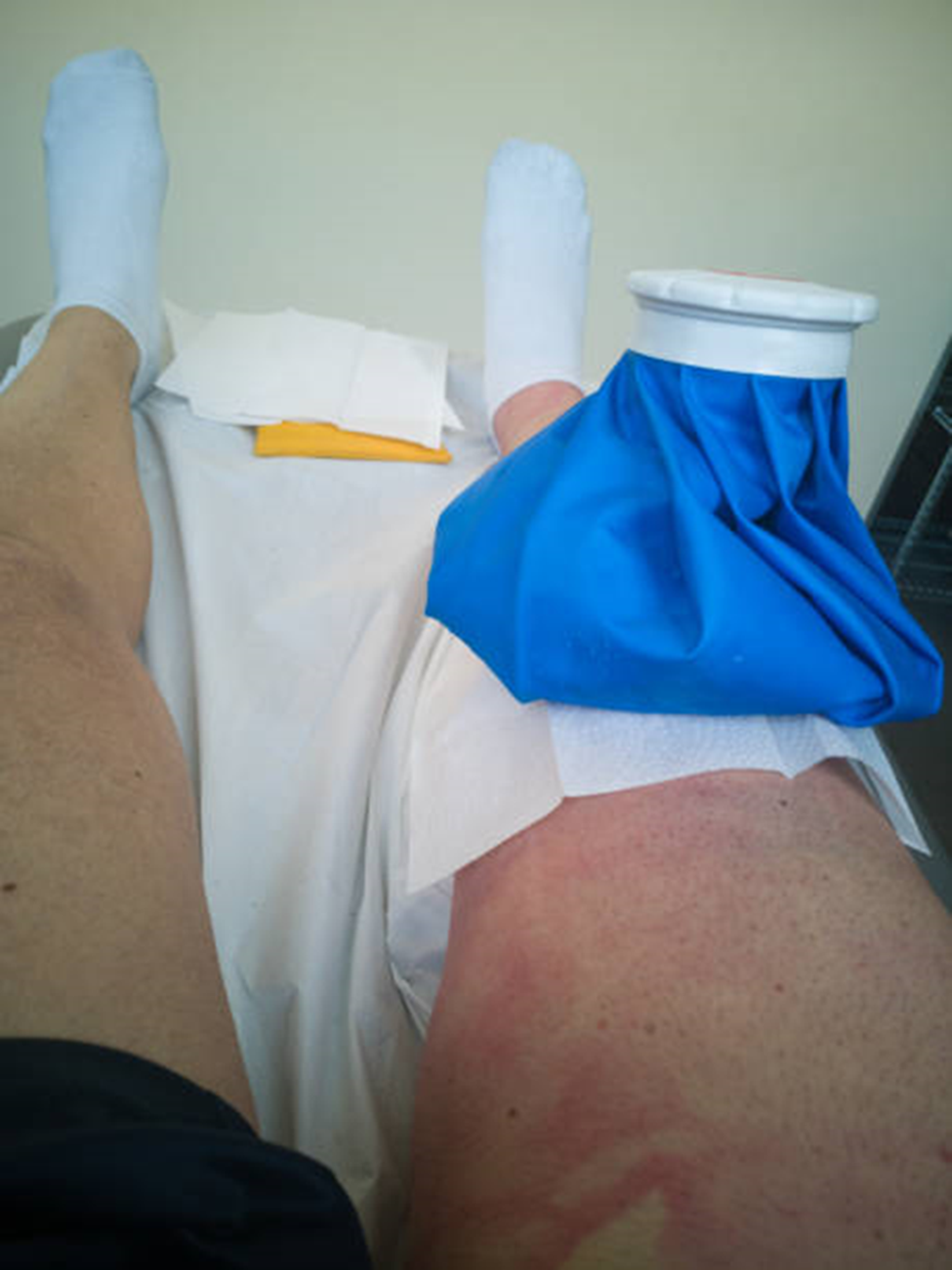
- You’ll likely use crutches, limit weight-bearing (depending on surgeon’s advice), apply ice and elevate the leg for swelling control.
- Mild isometric exercises (like quadriceps “sets”), assisted knee bends and straightening.
Phase 2 – Early Strengthening (Weeks 2-6)
By now you’d typically have near-full range of motion, walking without support, and your knee swelling should have settled.
- Focus shifts to higher-level strength: lunges, single-leg squats, light jogging (if permitted), plyometrics (low impact).
- Emphasis on muscle symmetry — the operated side should match the non-operated side in strength, ideally ≥ 80%.
Phase 3 – Advanced Strengthening (Weeks 6-12)
- By now you’d typically have near-full range of motion, walking without support, and your knee swelling should have settled.
- Focus shifts to higher-level strength: lunges, single-leg squats, light jogging (if permitted), plyometrics (low impact).
- Emphasis on muscle symmetry — the operated side should match the non-operated side in strength, ideally ≥ 80%.
Phase 4 – Return to Sports / Functional Training (3-6 Months)
- By now you’d typically have near-full range of motion, walking without support, and your knee swelling should have settled.
- Focus shifts to higher-level strength: lunges, single-leg squats, light jogging (if permitted), plyometrics (low impact).
- Emphasis on muscle symmetry — the operated side should match the non-operated side in strength, ideally ≥ 80%.
Want to boost your chances of a smooth recovery after meniscus surgery?
Tips for a Smooth Recovery
- Adhere to your surgeon’s and physiotherapist’s weight-bearing and motion restrictions. Don’t rush.
- Keep swelling, pain and bruising in check with ice, elevation, compression and rest when needed.
- Perform your prescribed physiotherapy exercises consistently.
- Focus on overall fitness: maintain cardiovascular exercise (cycling, pool work) if permitted, mind your nutrition (protein, vitamins) and sleep well.
- Monitor your knee, if you notice increasing pain, swelling or instability — pause activity and seek advice.
- Gradually increase activity, small increments beat large leaps — your body adapts better.
It’s just as important to know what not to do during your rehabilitation.
Common Mistakes to Avoid
- Starting high-impact activities (running, jumping) before your knee is ready risks re-injury.
- Neglecting the rehab plan may lead to persistent weakness, stiffness or compromised knee mechanics.
- Ignoring swelling or pain after activity may mean you’ve overdone it. Back off and seek guidance.
- Neglecting hip, core and opposite leg strength, a weak hip can overload your knee.
- Returning to sport without clearance – Even if you “feel” okay, your knee may not yet be ready for high-demand tasks.
When to Call Your Doctor or Physiotherapist
- Persistent or increasing swelling, warmth or redness in the knee region (could indicate inflammation or infection)
- Sudden sharp pain or the knee giving way during activity
- Inability to achieve expected milestones (for example, still using crutches after 4 weeks when advised full weight-bearing)
- New symptoms such as numbness, tingling around the knee or calf (could signal nerve or vascular issues)
- If your functional progress stalls or you feel your activity level is plateauing and cannot advance
Role of Physiotherapy in Meniscus Rehabilitation
Dr. Sandeep Singh, a distinguished Orthopedic Doctor in Bhubaneswar, notes:
“Physiotherapy is central to the success of recovery after meniscus surgery. A trained physiotherapist guides you through the right exercises, monitors your progress, adapts the plan, and helps safely transition you from basic mobility to sport-specific performance.”
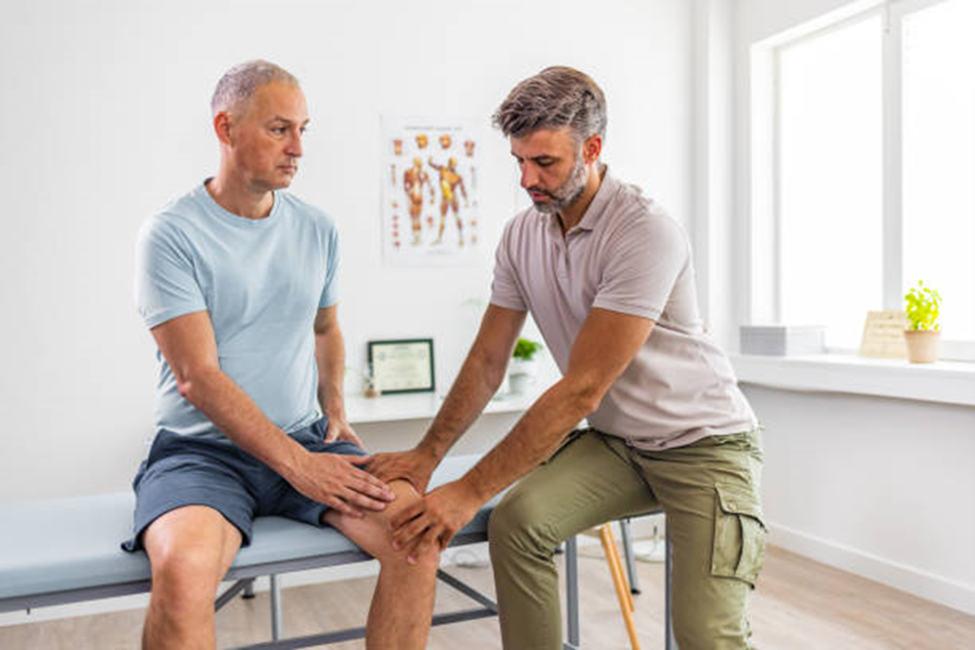
Key roles include:
- Regaining full knee range of motion (flexion/extension) and reducing stiffness.
- Strengthening quadriceps, hamstrings, calves, hip muscles and the core to ensure the knee is supported.
- Proprioception and balance training to restore dynamic control of the knee during everyday and sports activities.
- Educating you about safe movement patterns, body mechanics (how to squat, jump, pivot without risk) and injury prevention.
- Gradually sequencing your rehab so you progress from basic tasks to advanced sports drills — all under supervision.
Conclusion
Recovery after meniscus surgery involves a structured plan, consistent effort, professional supervision and patience. From the immediate post-operative phase to returning to sport or full daily function — each step matters. With the right support, individuals can often regain near-normal knee function and resume active lives.
If you or someone you know is navigating this journey, engage early with your orthopedic doctor and physiotherapist, follow the plan, monitor your progress and avoid shortcuts. Your knee—and your future mobility—will thank you.
Frequently Asked Questions
How long does full recovery after meniscus surgery typically take?
While every case differs, many patients complete major rehabilitation in 3 to 4 months, and full return to sports or heavy activity may take up to 6 months.
Is the recovery time different for meniscus repair versus partial meniscectomy?
A repair (where the meniscus is stitched) typically needs a more cautious, longer rehab because the tissue must heal. Partial removal often allows faster return but may carry higher long-term risk of knee wear.
Once I’ve recovered, can my knee return to pre-injury level of activity (like playing sports)?
Many patients do return to high-level activity. One long-term study found a 94% return to pre-injury sports level after meniscus repair.
What factors influence how well someone recovers after meniscus surgery?
Important factors include: the location and pattern of the tear (tears in vascular zones heal better); age; general health; how timely the surgery was; presence of other knee damage (ligament, cartilage); adherence to rehab.
Can weight-bearing start immediately after meniscus repair?
It depends on the repair type, tear location and surgeon’s protocol. Some accelerated rehab programmes allow earlier weight-bearing, but tradition calls for partial weight-bearing for 4-6 weeks in many cases.
References:
https://my.clevelandclinic.org/health/treatments/21508-meniscus-surgery
https://www.mayoclinic.org/diseases-conditions/torn-meniscus/diagnosis-treatment/drc-20354823
Disclaimer: The information shared in this content is for educational purposes only and not for promotional use.