

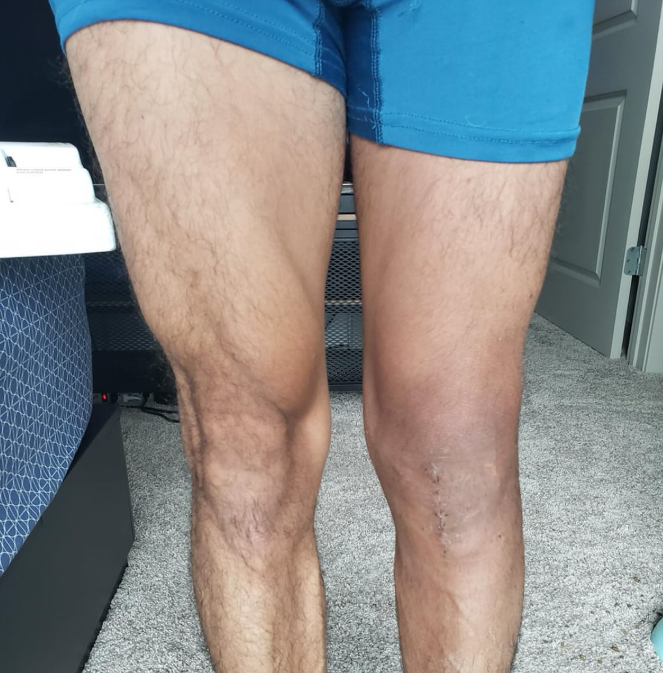
Knee replacement surgery is a common procedure which helps patients who suffer from extreme knee pain that results from arthritis or injuries or the breakdown of their knee joints. The procedure uses artificial parts to replace damaged joint surfaces which create better joint movement and improved patient mobility. Most patients notice significant improvement in pain and function within the first year after surgery. Some people keep experiencing knee replacement pain after 1 year.
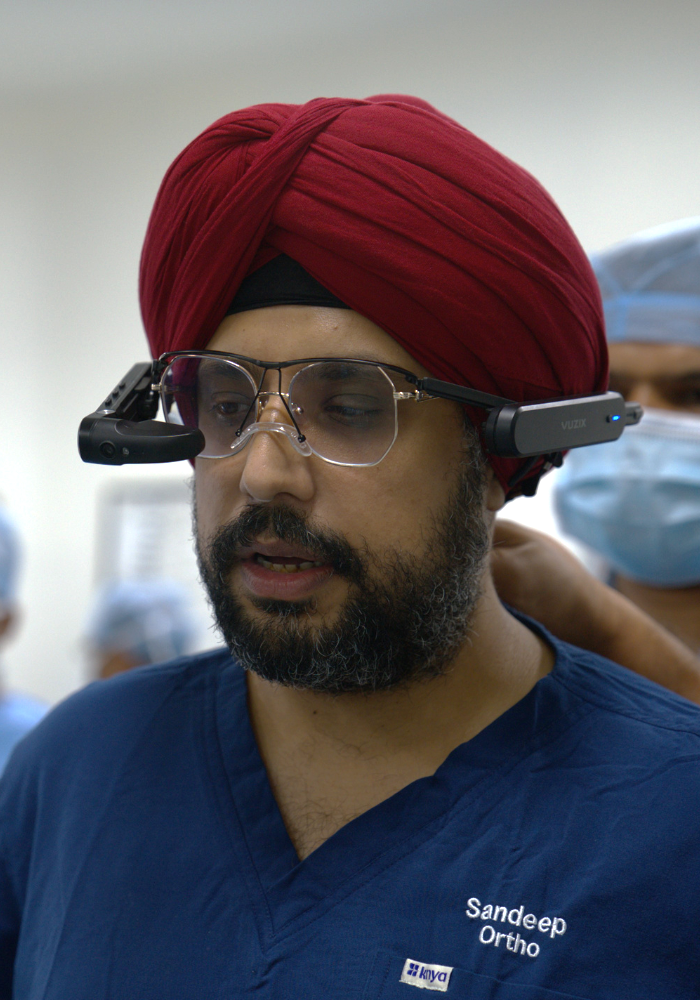
People should not dismiss their ongoing pain because it can happen when they push their body too hard after experiencing muscle strain. Patients can learn about their pain origins which enables them to obtain medical help before their condition worsens. Dr. Sandeep Singh who works as an Orthopaedic Doctor in Bhubaneshwar can help establish your medical condition and deliver the necessary treatment.
Is Knee Pain After One Year of Replacement Surgery Normal?

Most people achieve complete recovery from knee replacement surgery within a period of six to twelve months. The artificial joint successfully connects with the surrounding tissues at this stage, which allows patients to engage in all their daily activities that involve walking and climbing stairs and sitting.
A small number of patients still experience discomfort after they reach their first year of recovery. The pain might be mild and related to muscle weakness and overuse and improper rehabilitation. The condition may involve problems with the implant and surrounding tissues and adjacent joints. The medical assessment determines whether the pain constitutes normal recovery or needs medical attention.
Common Causes of Knee Replacement Pain After 1 Year
2. Hormonal Influence
3. Muscle Imbalance
4. Neuromuscular Control
5. Narrower Intercondylar Notch
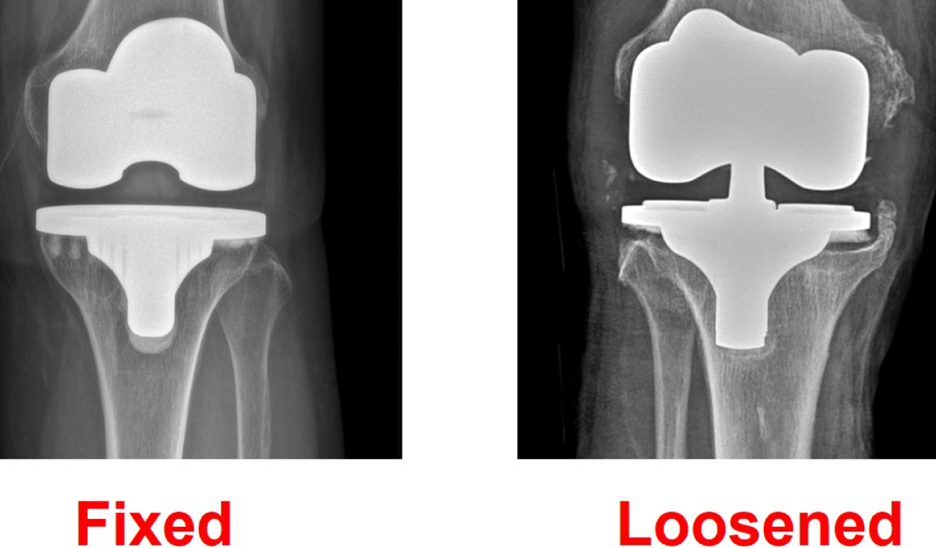
Implant Loosening
One of the possible causes of persistent pain is loosening of the artificial joint components. The prosthetic implant must remain firmly attached to the bone for stable movement. Over time, excessive stress, bone quality issues, or misalignment may cause the implant to loosen.
Patients with implant loosening often experience pain while walking, swelling around the knee, and difficulty putting weight on the affected leg.
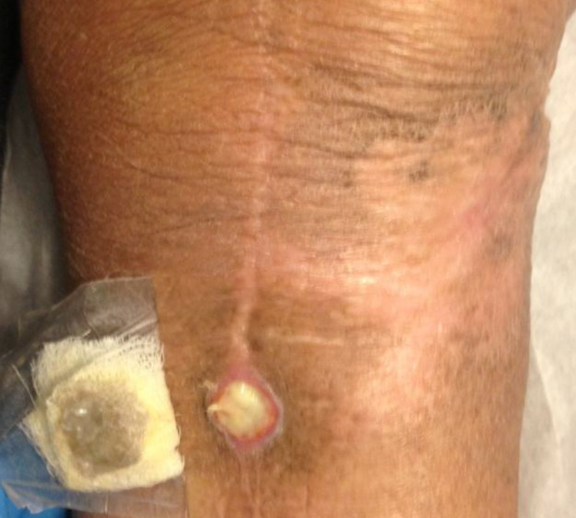
Infection Around the Implant
Although rare, infections can develop even months or years after knee replacement surgery. This condition is known as late prosthetic joint infection. Bacteria may reach the joint through the bloodstream or surrounding tissues.
Symptoms may include persistent pain, swelling, redness, warmth around the joint, or fever. Early diagnosis and treatment are important to protect the artificial joint and surrounding bone.
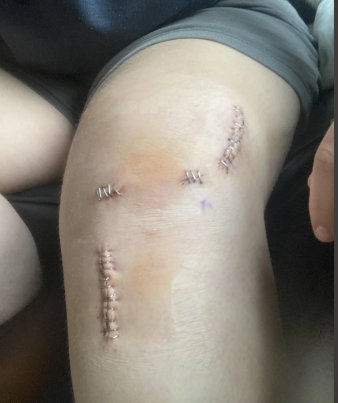
Scar Tissue Formation
Scar tissue can develop around the knee joint during the healing process. When excessive scar tissue forms, it may restrict joint movement and cause stiffness or discomfort. This condition is referred to as arthrofibrosis.
Patients may feel tightness in the knee, difficulty bending or straightening the leg, and discomfort during physical activity.
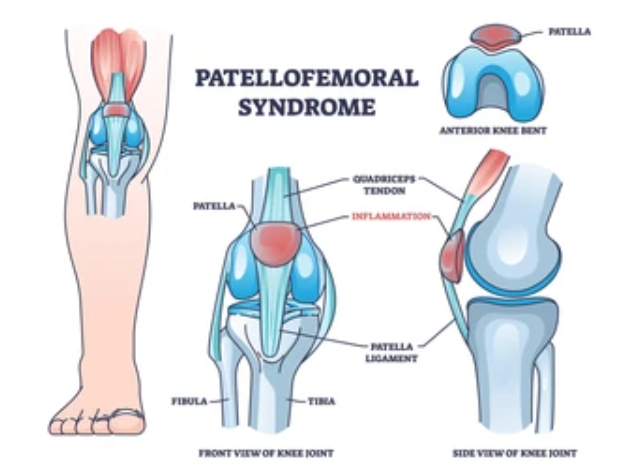
Patellar Tracking Issues
The kneecap, or patella, plays a vital role in knee movement. Sometimes the patella may not align properly with the artificial joint. This misalignment can cause pain during movements such as climbing stairs, standing up from a chair, or bending the knee.
Muscle Weakness
Even after surgery, strong muscles are essential to support the knee joint. Weak quadriceps or hamstring muscles can place additional stress on the artificial joint, leading to pain or fatigue during daily activities.
Regular physiotherapy and strengthening exercises help improve joint stability and reduce discomfort.
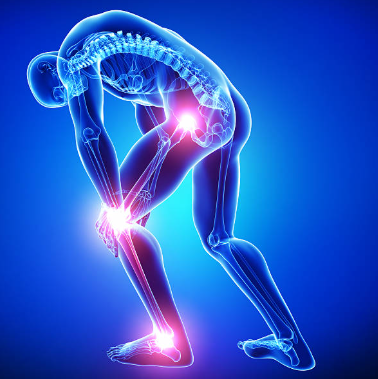
Pain From Other Joints
The kneecap, or patella, plays a vital role in knee movement. Sometimes the patella may not align properly with the artificial joint. This misalignment can cause pain during movements such as climbing stairs, standing up from a chair, or bending the knee.
When Should You See a Doctor?
Patients should consult a specialist if knee pain persists, worsens over time, or interferes with daily activities. Swelling, redness, difficulty walking, or sudden changes in knee function also require medical attention.
An experienced Orthopaedic Doctor in Bhubaneshwar like Dr. Sandeep Singh can perform a detailed evaluation, including physical examination and imaging tests, to identify the exact cause of pain.
Treatment Options for Knee Replacement Pain
Treatment depends on the underlying cause of the discomfort. Physiotherapy is often recommended to strengthen the muscles and improve joint movement. Anti inflammatory medications may help control swelling and pain.
If infection is detected, antibiotics or additional medical procedures may be required. In rare cases where the implant has loosened or failed, revision knee replacement surgery may be considered.
Early evaluation and proper treatment can help restore comfort and maintain long term joint health.
Conclusion
Experiencing knee replacement pain after 1 year can be concerning, but it does not always mean that the surgery has failed. In many cases, the discomfort may be related to muscle weakness, scar tissue, or other treatable conditions. However, persistent or worsening pain should always be evaluated by a specialist.
Seeking guidance from an experienced Orthopaedic Doctor in Bhubaneshwar, such as Dr. Sandeep Singh, can help identify the cause of the pain and ensure the right treatment plan. With proper care, rehabilitation, and medical support, most patients can continue to enjoy improved mobility and a better quality of life after knee replacement surgery.
Frequently Asked Questions (FAQs)
1. Is knee replacement pain after 1 year normal?
Most patients recover well within one year. However, some individuals may experience mild discomfort that should be evaluated if it persists.
2. What causes knee replacement pain after 1 year?
Common causes include implant loosening, infection, scar tissue formation, muscle weakness, or referred pain from nearby joints.
3. Can physiotherapy help reduce knee pain after replacement surgery?
Yes. Physiotherapy strengthens surrounding muscles and improves joint flexibility, which helps reduce discomfort.
4. When should I see a doctor for knee pain after surgery?
You should consult a doctor if the pain is persistent, worsening, or associated with swelling, redness, or difficulty walking.
5. Can knee implants fail after one year?
Although uncommon, implants can loosen or wear out over time. A medical evaluation helps determine the cause.
6. Which doctor should I consult for knee replacement pain in Bhubaneshwar?
Patients experiencing persistent discomfort can consult Dr. Sandeep Singh, an experienced Orthopaedic Doctor in Bhubaneshwar, for proper diagnosis and treatment.