
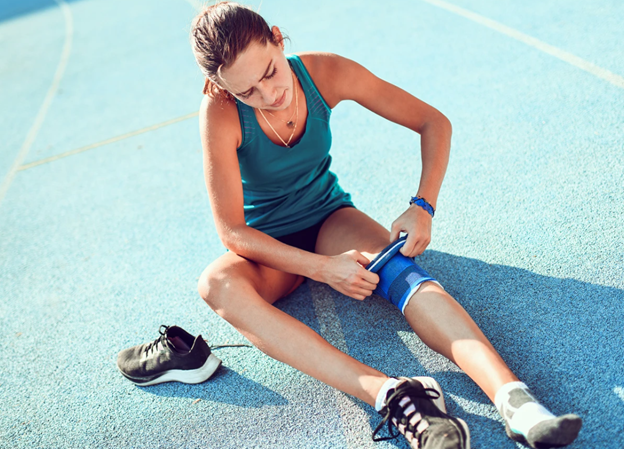
Sports medicine practitioners treat Anterior Cruciate Ligament injuries as one of their most common and serious knee injuries. Research shows that women who play the same sport as men experience ACL injusy in women tears at a rate that is 2 to 8 times higher than men.
The Dr. Sandeep Orthopedic Clinic provides treatment for female athletes and fitness enthusiasts and non-athletes who suffer from ACL injuries that result from sports activities and gym workouts and sudden twisting motions. The process of diagnosing a condition and selecting appropriate treatment methods determines how well a patient maintains knee stability and becomes able to resume physical activities.
This guide provides complete information about ACL injuries in women to help women with knee instability and pain and a popping sensation in their knees.
What Is the ACL?
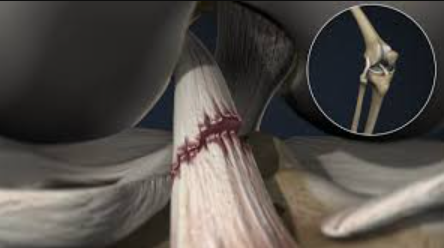
The ACL, or anterior cruciate ligament, is one of the four major ligaments in the knee. It connects the thigh bone (femur) to the shin bone (tibia) and plays a vital role in:
• Preventing the shin bone from sliding forward
• Providing rotational stability
• Supporting cutting and pivoting movements
When this ligament tears or ruptures, knee stability is compromised.
Why Are ACL Injuries More Common in Women?
1. Anatomical Differences
2. Hormonal Influence
3. Muscle Imbalance
4. Neuromuscular Control
5. Narrower Intercondylar Notch
Causes of Fractures
Treatment Options for ACL Injuries in Women
Women experiencing an ACL tear may notice:
• A popping sound at the time of injury
• Sudden knee pain
• Rapid swelling within 24 hours
• Knee instability or “giving way”
• Difficulty walking or bearing weight
If you experience these symptoms, early orthopedic evaluation is essential to prevent further joint damage.
How ACL Injuries Are Diagnosed
Treatment Options for ACL Injuries in Women

1. Non-Surgical Treatment
ACL Reconstruction Surgery
ACL reconstruction is the gold standard treatment for complete tears in active women. The damaged ligament is replaced using a graft.
Common graft options:
• Hamstring graft
• Patellar tendon graft
• Quadriceps tendon graft
The surgery is minimally invasive and performed arthroscopically.
Recovery Timeline After ACL Surgery
Long-Term Risks If ACL Injury Is Ignored
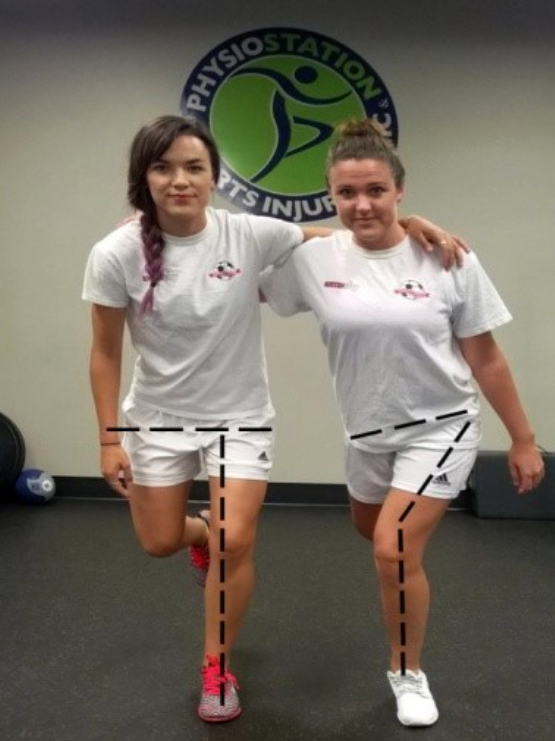
How Women Can Prevent ACL Injuries
Prevention programs reduce ACL risk by up to 50%.
Key Prevention Strategies
• Strengthen hamstrings and glutes
• Improve landing mechanics
• Core stability training
• Balance and proprioception exercises
• Sport-specific conditioning
Structured neuromuscular training programs are particularly beneficial for teenage and young female athletes.
When Should You See an Orthopedic Specialist?
Why Choose Dr. Sandeep for ACL Injury Treatment?
Dr. Sandeep, Orthopedic Doctor in Bhubaneshwar provide treatment focuses on:
- Accurate diagnosis
- Personalized surgical planning
- Advanced arthroscopic techniques
- Evidence-based rehabilitation
- Faster and safer return to activity
Women require a tailored approach considering biomechanics and hormonal factors. Specialized management improves long-term knee health and athletic performance.

Conclusion
The fundamental biological differences between women which arise from their unique body structures and hormonal profiles and their physical movement patterns result in higher rates of ACL injuries for women. The combination of early diagnosis and correct rehabilitation methods together with appropriate surgical reconstruction procedures establishes the path to full recovery.
The best way to protect your knee from permanent harm is to see a doctor as soon as you start experiencing knee instability or believe you have an ACL tear.
You can receive specialized ACL injury treatment and individualized orthopedic treatment at Dr. Sandeep Orthopedic Clinic by booking your appointment today.
Frequently Asked Questions (FAQs)
1. Why do women experience higher rates of ACL injuries compared to men?
The anatomical characteristics and hormonal factors and neuromuscular patterns of women lead to increased ACL strain during their sports activities.
2. Can ACL injuries heal without surgery?
Partial tears may heal with physiotherapy, but complete ACL tears in active individuals usually require reconstruction surgery.
3. How long does it take to recover from ACL surgery?
Most patients return to sports within 6–9 months, depending on rehabilitation progress.
4. Is ACL surgery safe for young female athletes?
Yes. Arthroscopic ACL reconstruction is safe and highly successful when performed by experienced orthopedic surgeons.
5. Can ACL injury lead to arthritis later in life?
Yes. Untreated or improperly managed ACL tears increase the risk of early knee osteoarthritis.