
The surgery for a hip replacement is a major operation, but it eliminates the pain in the hip – the major concern of the patient – and at the same time, it rehabilitates the whole body by allowing easier and more natural movements. The length of time for recovery varies from person to person, but if one knows the major events and has some typical experiences during the first three weeks after surgery, then the process of healing becomes less intimidating and more confident.
Dr. Sandeep Singh, who is an eminent orthopedic surgeon in Bhubaneswar, insists that sticking to the correct recovery protocols is crucial for getting the best result after surgery. His state-of-the-art surgical techniques are such that he can offer the patients a complete treatment plan of replacement surgeries.
“The initial three weeks post hip replacement surgery are vital for setting up the way for a strong recovery. With good care and dedication to physiotherapy, patients can greatly enhance their mobility and get back to their daily lives,” comments Dr. Singh.
The Recovery Journey: What Happens After Hip Replacement?
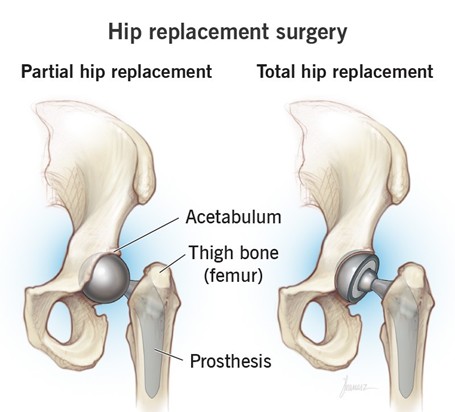
Hip replacement surgery, in a nutshell, is meant to reduce the pain and enhance the hip joint’s function. The human body starts its healing process right after the surgery and the first few weeks are very important for the patient to gain strength and get back the ability to move. Usually, around three weeks after the operation, most of the patients notice quite a difference in terms of pain relief and mobility. Nevertheless, little pain and swelling are still considered to be a part of the healing process. Being aware of the transformations and difficulties that might arise during this period could help in speeding up the recovery.
What to Expect 3 Weeks After Hip Replacement Surgery
Pain and Swelling
In the first few days after surgery, most people experience significant discomfort. By three weeks, the pain should have subsided, although some mild soreness may persist, especially after physical activity. Swelling around the surgical site is common and may remain for several weeks but should start to reduce. Applying ice to the area can help manage swelling and provide relief.
Mobility and Walking
Three weeks after surgery, walking will no longer be a big hassle. At this time, a large number of patients are capable of walking with the aid of either a walker or crutches. If you have been working on your range of motion then it should be better allowing you to walk longer and use walking aids less. It is very vital that you adhere to your physical therapist’s instructions regarding walking exercises to ensure that you keep on getting stronger and developing your balance.
Incision Healing
By the end of the third week, the surgical incisions that you had might get healed entirely, and the likelihood of removal of stitches or staples is also during this time. The incision site may feel a bit sore, but generally, it is mild and goes away with treatment. It is very important to clean and dry the area well to prevent infections.
Take the first step toward a pain-free life. Schedule a consultation with a leading orthopedic doctor to discuss your recovery and get personalized guidance.
Recovery Milestones at 3 Weeks: What's Normal?

Pain Management
After three weeks of surgery, most patients report their pain to be more tolerable. Practicing some discomfort still is normal; however, the pain should be much less intense at this time. At this point, over-the-counter pain medications might be enough, but it is advisable to stick to the routine prescribed by your healthcare practitioner.
Physical Therapy & Workout
You should already be undergoing physical therapy which will not only aid in gaining back the movement but also in strengthening the muscles surrounding your hip. The program may consist of slow stretching, lifting the leg, and rotating the hip. In addition, physical therapy will promote the development of strength, the quality of movement will be improved and the risk of stiffness will be reduced.
Daily Routine
You might start to participate in light daily activities such as clothes dressing, cooking, and doing other house chores. But none the less heavy weight lifting, twisting, sudden and quick exercises should be avoided until your physician grants you clearance.
Tip: Increase the level and the length of the activities slowly as your body permits this. It will help you to recover your power and not to wear yourself out.
Warning Signs to Watch for After 3 Weeks

While recovery is progressing, it’s essential to recognize potential complications. If you experience any of the following, contact your doctor immediately:
Severe Pain
While some discomfort is normal, sharp or intense pain that doesn’t improve with rest could be a sign of a complication, such as infection, implant issues, or other problems.
Signs of Infection
Signs of infection at the incision site include redness, swelling, or pus-like discharge. If you develop a fever or notice increased warmth around the surgical area, seek medical attention immediately.
Blood Clots
After surgery, there’s a risk of blood clots, particularly in the legs. Symptoms of a clot include swelling, redness, or pain in the calf. If you experience these signs, contact your healthcare provider without delay.
Difficulty Moving or Stiffness
If you notice a significant decrease in your range of motion or if your hip feels stiff and difficult to move, this could indicate an issue that requires medical attention.
Tips for a Smooth Recovery
Follow Your Physical Therapy Routine
Physical therapy plays a key role in your recovery. Stick to the prescribed exercises and attend your sessions regularly. This will help improve flexibility, strengthen muscles, and increase your mobility.
Manage Pain Effectively
By week three, pain should be more manageable. You may be able to switch to over-the-counter medications, but always follow your doctor’s recommendations regarding pain management.
Take Care of Your Incision
Proper wound care is vital for preventing infection. Clean the incision site as directed and avoid putting pressure on it. If you have stitches or staples, follow your doctor’s instructions on when they will be removed.
Stay Active but Rest When Needed
While it’s important to stay active and engage in physical therapy, balance this with rest. Overexerting yourself can hinder the healing process, so take breaks when necessary and avoid activities that place unnecessary strain on your hip.
Avoid High-Impact Activities
Continue to avoid high-impact activities, such as running or jumping. Instead, stick to low-impact exercises like walking, swimming, or stationary biking until your doctor clears you for more intense activities.
Conclusion
Three weeks after hip replacement surgery, many patients experience significant progress in their recovery. With reduced pain, increased mobility, and improved overall function, the third week marks a crucial turning point in your healing journey. While some discomfort may remain, it should be manageable and improve with time.
By following your healthcare provider’s instructions, sticking to your physical therapy routine, and being mindful of warning signs, you’ll be well on your way to a successful recovery and regaining full mobility in the months ahead.
Ready for your next step in recovery? Schedule a follow-up with your doctor to track your progress and ensure you’re on the right path.
Need personalized advice on your recovery? Book a consultation to ensure you’re healing properly and address any concerns with your healthcare provider.
Frequently Asked Questions
Q1. How much walking should I do at three weeks after hip replacement surgery?
At three weeks, you can typically walk short distances with the help of a walker or crutches. Gradually increase the distance as you gain strength.
Q2. Is it normal to still feel tired three weeks after surgery?
Yes, fatigue is common as your body continues to heal. Make sure to balance activity with adequate rest to support recovery.
Q3. Can I drive after three weeks post-hip replacement surgery?
Driving is often allowed by three weeks, but you must be off pain medications and have regained enough mobility to operate the vehicle safely.
Q4. What activities should I avoid three weeks after surgery?
Avoid heavy lifting, twisting movements, and high-impact activities like running or jumping until your doctor clears you.
Q5. How long will it take for the pain to go away completely?
Pain will continue to decrease over the next few months. By 6–12 months, most patients experience significant pain relief and increased mobility.