
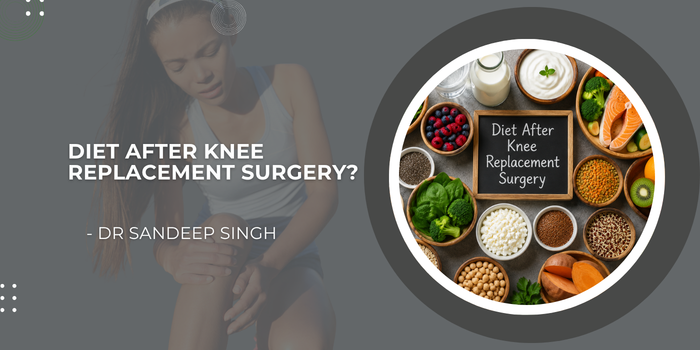
A diet after knee replacement surgery is a nutrient-dense eating plan built around three recovery goals: speeding up tissue repair, reducing post-surgical inflammation, and preventing constipation that comes with reduced mobility after the procedure. It leans heavily on high-protein foods, vitamins C and D, calcium, and dietary fiber. Processed foods, excess salt, sugar, and alcohol work directly against healing and are best cut out entirely during the recovery window.
According to Dr. Sandeep Singh, orthopedic doctor in Bhubaneswar, “Most patients focus entirely on physiotherapy and forget that what goes on the plate drives recovery just as much. The right nutrition shortens healing time and reduces complications.”
What Foods Should You Eat After Knee Replacement?
Surgical wounds heal using protein and micronutrients. Not sometimes every single day of recovery. Skimp on either and the body simply slows down the repair process.
Protein is non-negotiable. Eggs, chicken, fish, lentils, paneer pick sources that work for your diet and make sure at least one appears in every main meal. Muscle tissue breakdown after surgery is real, and protein is what reverses it.
Vitamin C does more than most people realise. Amla, guava, citrus fruits, bell peppers these push collagen synthesis, which matters enormously for tendon and ligament repair around the new joint.
Bone health doesn’t pause during recovery. Dairy, ragi, fortified milks keep calcium levels stable. Pair them with reasonable sunlight exposure; without vitamin D the calcium simply doesn’t absorb.
Iron tends to drop after major surgery. Spinach, beans, the occasional lean red meat they help rebuild haemoglobin levels that often take a hit post-operatively and leave patients feeling drained through rehab.
Fibre is underrated, consistently. Constipation is one of the most common and most uncomfortable post-surgery complaints, particularly for patients on pain medication. Oats, fruits, vegetables, whole grains keep them in every day.
Omega-3 sources work quietly. Fatty fish like salmon or mackerel, flaxseeds, walnuts they chip away at systemic inflammation in the background and support smoother knee replacement recovery over time.
What Foods Should You Avoid After Knee Replacement Surgery?
Some foods actively interfere with healing. Not in a vague general-wellness sense they raise inflammation, interact with medications, or slow down tissue repair in ways that show up clinically.
Processed and packaged foods come first on the avoid list. High sodium content causes the body to retain fluid, which worsens the swelling already present around the joint and leg after surgery.
Refined sugar is surprisingly disruptive. It triggers inflammatory pathways that directly compete with recovery. Wound healing slows. Infection risk nudges upward. Neither is worth a biscuit.
Alcohol should go completely during recovery. It dehydrates, clashes with pain medication and antibiotics, and suppresses the immune response that stands between a clean recovery and a post-op infection.
Excess fatty red meat is a specific problem. Lean cuts occasionally are fine useful even, for iron. But the fatty varieties raise inflammatory markers at exactly the time the joint needs the opposite environment.
Carbonated drinks affect more than people expect. The phosphoric acid in sodas interferes with calcium absorption. Over time, that weakens the bone bed holding the implant in place.
Too much caffeine undermines sleep quality. That matters because most tissue repair happens during sleep. Large amounts also cause mild dehydration, which joints feel more acutely post-surgery. For a full picture of what early recovery looks like week by week, the knee replacement recovery guide covers it in detail.
Why Choose Dr. Sandeep Singh for Knee Replacement in Bhubaneswar?
Patients come to Dr. Sandeep Singh after trying everything else. Fifteen years of complex orthopaedic cases, revision surgeries, and sports injuries later the results speak clearly. Trained at institutions across India and the UK, he holds MS Ortho, MRCS Glasgow, MRCS UK, and FRCS London in Primary and Revision Joint Replacement. His Fellowship in Sports Injury was completed under Prof. Fares Haddad himself. At CARE Super Specialty Hospital Bhubaneswar, he heads the Sports Injury and Rehabilitation Department and brought FASTTRACK joint replacement to Odisha first. Recovery here is structured. Nutrition, physio, and follow-up are mapped out before the patient leaves the table
Frequently Asked Questions
How much protein do I need daily after knee replacement surgery?
Most recovering adults need roughly 1.2 to 1.5 grams of protein per kilogram of body weight each day. This supports tissue repair and prevents the muscle loss that commonly follows major surgery.
Can I drink milk after knee replacement surgery? Yes, it is actively beneficial. Milk provides both calcium and vitamin D, which maintain bone strength around the implant and support the overall healing process.
How long should I follow a special diet after knee replacement? A focused recovery diet for at least six to twelve weeks post-surgery is the general recommendation. Maintaining healthy eating beyond that period benefits long-term implant function as well.
Does poor diet affect knee replacement recovery? It does. Nutrient gaps slow wound healing, raise infection risk, and extend swelling. A well-structured diet has a measurable impact on how quickly and cleanly patients recover.
Disclaimer:
This blog is for educational purposes only and is not a substitute for professional medical advice.