


Osteoarthritis vs Rheumatoid Arthritis: What’s the Real Difference?
Osteoarthritis happens when the cartilage in a joint slowly wears down over time. It usually develops after many years of using the joint. Rheumatoid arthritis works differently. It’s an autoimmune condition. The immune system attacks the joint lining by...
Elbow Replacement Surgery in Bhubaneswar?
Elbow replacement surgery is also called total elbow arthroplasty. It replaces a damaged joint with an artificial hinge. The hinge is made of metal and plastic. Doctors recommend it when severe arthritis makes arm movement impossible. Unfixable fractures do too. So...
Top 5 Mistakes After Knee Replacement Surgery and How to Avoid Them
One of the best treatments available for chronic knee pain and mobility problems is knee replacement surgery. However, the hard part comes after the surgery. Appropriate rehabilitation helps patients regain strength, flexibility, and confidence in their new joint....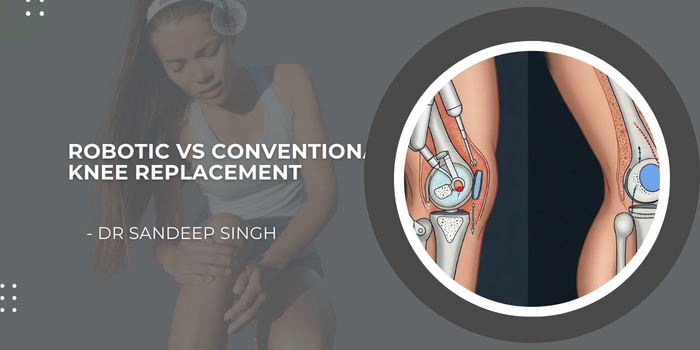
Robotic vs Conventional Knee Replacement
Robotic and conventional knee replacements achieve the same goal but through different methods. Conventional surgery relies on the surgeon’s visual judgment and manual skill to make bone cuts and position the implant. Robotic surgery adds a layer of 3D planning...